What Is a High Quality Sofa and How Can You Tell?

Time:2026-09-20 Author:Oliver
0%

A high-quality sofa should feel dependable before it looks impressive. Its frame should remain steady when you sit, stand, or shift your weight. Kiln-dried hardwood, reinforced joints, and strong corner blocks usually indicate careful construction. However, materials alone do not guarantee lasting comfort. Skilled workmanship matters just as much.

How to tell if a sofa is high quality? Start with the parts you can test. Sit in several positions and notice whether the cushions support your hips and lower back. Press the seat, then check how quickly it recovers. Firm, even resistance is usually a good sign. Feel the frame. It should not creak, twist, or feel hollow. Look underneath. A tightly secured underside and evenly spaced support systems suggest better attention to detail.

Upholstery deserves close inspection too. Seams should look straight, while patterns should align across cushions and corners. Lift the cushions if possible. Removable, well-filled covers are easier to maintain and repair. Ask about foam density, suspension, frame treatment, warranty coverage, and replacement parts. A reputable retailer should answer clearly, not hide behind vague promises.

There is no perfect sofa. Personal comfort, room size, pets, children, and daily habits change the decision. Even experienced buyers can overlook small weaknesses under showroom lighting. That is why a careful inspection matters more than a polished label. A truly reliable sofa combines durable materials, thoughtful engineering, honest specifications, and comfort that still feels right after repeated use.
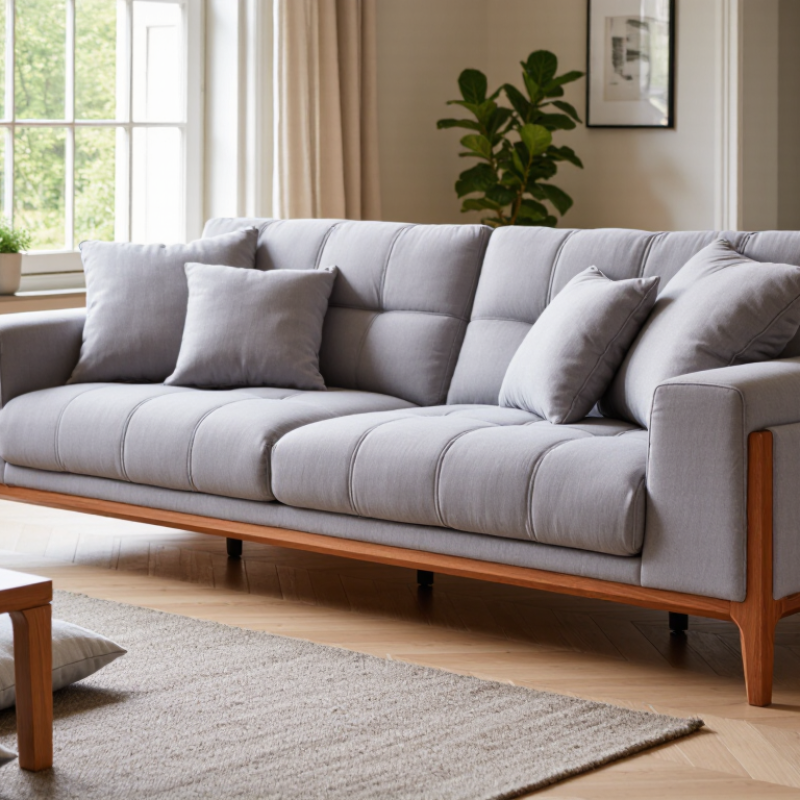
What Is a High Quality Sofa and How Can You Tell?

Definition and Core Features of a High-Quality Sofa

A high-quality sofa is built for comfort, stability, and long-term daily use. It is not defined by a high price alone. A reliable frame often uses kiln-dried hardwood, reinforced corner joints, and strong screws or dowels. Wood should feel solid, not hollow or unusually light. When you sit down, the structure should remain quiet and steady.

The support system matters under the cushions. Well-spaced springs or durable webbing can distribute body weight evenly. High-density foam usually resists early sagging, while layered fillings create a softer surface. Lift the cushions if possible. Check whether the covers fit tightly and whether the seams remain straight. Uneven stitching may reveal rushed production, although one imperfect line does not always mean poor quality.

Upholstery should match the sofa’s intended use. Tightly woven fabric can handle busy households, while delicate materials may need gentler care. Run your hand across the surface. It should feel consistent, without thin patches or loose threads. Legs should attach firmly and support the frame without wobbling.

Comfort is personal.

A sofa can be structurally excellent yet feel too firm for one person. I have also found that showroom comfort can mislead after only five minutes. Sit naturally for longer, test the seat depth, and notice whether your lower back feels supported. I sometimes focus too much on construction details and overlook fabric warmth. That is a useful mistake to remember.

How Sofa Frames, Joinery, and Support Systems Affect Durability

What Is a High Quality Sofa and How Can You Tell?

A durable sofa begins with its frame, not its fabric. Kiln-dried hardwood usually resists warping better than damp or poorly joined timber. However, wood type alone does not prove quality. Look for reinforced corners, tight joints, and minimal movement when you push the frame. Dowels, corner blocks, screws, and glue can work together. Staples alone often suggest faster construction.

Joinery affects how a sofa handles daily stress. A loose joint can create creaking, uneven cushions, and permanent sagging. The support system matters just as much. Eight-way hand-tied springs can feel responsive, but well-designed sinuous springs may also perform reliably. ANSI/BIFMA X5.4-2020 includes durability testing for lounge seating at 100,000 cycles. This industry benchmark shows why internal testing matters more than showroom appearance. Still, laboratory cycles cannot copy every household. Heavy users, pets, and frequent moving expose weak points quickly.

Tips: Lift one front corner slightly. A rigid frame should not twist dramatically. Press the seat near its edge and center. Both areas should recover without a hollow dip. Ask whether the manufacturer tested the completed sofa, not only its components. Check the warranty for frame and suspension coverage. A longer warranty helps, but it is not proof of perfect construction. Even experienced inspectors can miss hidden shortcuts without opening the upholstery. That uncertainty deserves attention.

What Makes a High-Quality Sofa Durable?

This practical 1–5 inspection score summarizes how strongly each construction feature typically contributes to long-term sofa durability. Kiln-dried hardwood and furniture-grade plywood help reduce movement, reinforced corner blocks and dowel or mortise-and-tenon joints improve frame stability, while webbing, sinuous springs, or eight-way hand-tied springs support the seat over time. The scores are a comparison guide rather than standardized laboratory measurements.

Evaluating Cushion Materials, Comfort, and Shape Retention

A high-quality sofa begins with cushion materials, not appearance alone. During showroom testing, press the seat with your palm and watch how quickly it rises. High-resilience foam usually recovers faster than soft, low-density foam. It also provides steadier support over time. Fiber-filled cushions feel plush, but they often need regular fluffing. Down or feather blends feel luxurious, yet they can flatten and shift without frequent adjustment. Cushion density matters, but it should never be the only measure of quality.

Comfort depends on posture, depth, and pressure distribution. Sit normally for at least ten minutes. Check whether your feet touch the floor and your lower back feels supported. A deep sofa may suit taller users, but it can strain shorter legs. Firm cushions often support upright sitting, while softer cushions encourage lounging. Comfort is personal. I once preferred an extremely soft sofa in a showroom, then found it difficult to stand from after a long evening. The display lighting did not reveal that problem.

Shape retention reflects both construction and daily care. Removeable cushions should have even filling and secure inner covers. Look for consistent seams, firm edges, and minimal wrinkling after sitting. A cushion that rebounds unevenly may develop permanent dips. Seat suspensions, such as durable webbing or springs, also affect how weight spreads across the frame. Rotate cushions when possible, and avoid judging a sofa after one brief sit. Small defects may be acceptable, but uneven collapse is harder to forgive. Check the underside too. A polished surface can hide weak support.

What Is a High Quality Sofa and How Can You Tell? — Evaluating Cushion Materials, Comfort, and Shape Retention

Use this comparison as a practical guide. Actual comfort and durability also depend on cushion construction, upholstery, frame design, user weight, usage frequency, and maintenance.

Cushion Material or Construction Typical Specification Initial Comfort Shape Retention Breathability Maintenance Needs Quality Assessment
High-resilience polyurethane foam Approximately 2.0–2.5 lb/ft³ density; resilience generally 2.0 or higher Supportive with moderate to firm pressure relief Very good Moderate Rotate reversible cushions when possible; vacuum regularly A strong all-purpose choice when density and construction details are disclosed
Latex foam Natural or synthetic latex; commonly molded or layered Buoyant, responsive, and less “sinking” than soft foam Excellent Good, especially with ventilated designs Protect from prolonged heat and direct sunlight; rotate cushions Premium option for resilience, although it may feel too springy for some users
Down or feather blend Down or feathers wrapped around a foam core or held in baffled chambers Soft, relaxed, and highly conforming Fair to good Very good Frequent fluffing and redistribution; periodic professional cleaning may be needed Excellent for plush comfort, but a natural relaxed appearance is expected over time
Fiber-filled cushion Polyester fiber, often blown or formed around a foam insert Soft and initially lofty Fair Good Regular fluffing and rotation; may require restuffing over time Comfortable for casual seating, but compression can develop sooner than with resilient foam
Foam core with fiber or down wrap Supportive foam center with a softer comfort layer around it Balanced: softer surface with underlying support Good to very good Moderate to very good, depending on the wrap Rotate cushions; fluff the outer layer if it contains fiber or down One of the most versatile constructions for combining comfort and support
Pocket-coil cushion core Individually wrapped steel coils combined with foam, fiber, or batting Springy and supportive with good pressure distribution Good Moderate Check for even wear; avoid bending cushions sharply Useful for users who prefer a responsive seat, provided the coil system is well enclosed
Low-density standard foam Often below approximately 1.8 lb/ft³ for seat cushions Initially comfortable but may feel softer with use Fair to poor Moderate Frequent rotation may slow uneven wear but cannot prevent material fatigue A caution sign for heavily used seating unless the price and intended service life are appropriate
Webbing or sinuous-spring seat support Elastic webbing or S-shaped steel springs beneath the cushion Ranges from firm and stable to flexible, depending on spacing and tension Good when properly tensioned Good because the open support base allows airflow Inspect for sagging, squeaks, or uneven tension; avoid excessive overloading A high-quality sofa needs a stable, evenly tensioned support platform in addition to good cushions

Practical Quality Checks Before Buying

Inspection Area What to Look For Why It Matters
Seat support Sit in the center and near the edge; the seat should support you without immediately bottoming out Reveals whether the cushion and suspension work together effectively
Cushion recovery Stand up after sitting for several minutes and check whether the cushion regains its shape Slow or incomplete recovery can indicate inadequate resilience or excessive softness
Frame stability Gently move the sofa from a corner; the frame should not twist, rock, or creak excessively A rigid, well-joined frame helps preserve alignment and reduce uneven wear
Cushion fit Look for even gaps, straight seams, and cushions that sit securely without sliding Poor fit can create premature wrinkling, edge wear, and uneven compression
Shape and proportions Check seat depth, seat height, back angle, arm height, and clearance for your posture A durable sofa can still feel uncomfortable if its dimensions do not suit the user
Material disclosure Ask for foam density, cushion layers, suspension type, upholstery content, and care instructions Specific construction information is more useful than vague terms such as “premium” or “luxury”
Note: Foam density is a measure of weight per volume, not firmness. A higher-density foam can be manufactured in soft, medium, or firm grades. Comfort should therefore be evaluated through both specifications and hands-on testing.

Comparing Upholstery Fabrics, Leather, and Construction Details

What Is a High Quality Sofa and How Can You Tell?

A high-quality sofa begins with its upholstery, but fabric labels can mislead. The Association for Contract Textiles recommends testing fabrics with standardized abrasion methods, including double-rub testing. However, double-rub numbers do not predict every home environment. A 30,000-rub fabric may fail early beside a sunny window or a pet’s favorite corner. Look for tight weaving, consistent color, and removable covers with strong zippers.

Leather should feel supple, not plastic-like or excessively thin. Full-grain leather usually keeps more of the hide’s natural surface, while corrected leather receives more coating and finishing. Industry reports from Leather Naturally note that leather’s breathability and repair potential support long service life, but maintenance remains essential. Scratches may become character. They may also become permanent damage.

The frame reveals more than showroom softness. Professional furniture testing under ANSI/BIFMA standards examines stability, strength, and repeated loading; some commercial seating tests reach 100,000 cycles. Residential sofas may use different requirements, so ask which standard applies. Kiln-dried hardwood, reinforced corner blocks, and evenly spaced supports are useful signs. Sit on the edge. Listen for movement. A small creak deserves attention, although it is not automatic proof of poor construction. Grand View Research’s upholstered furniture market analysis projects continued global growth through 2030, yet expanding demand does not guarantee better workmanship. Inspect the underside, stitching, cushion recovery, and frame alignment before trusting a polished description.

Practical Tests for Identifying Sofa Quality Before Purchase

What Is a High Quality Sofa and How Can You Tell?

Practical Tests for Identifying Sofa Quality Before Purchase

A good sofa should feel stable before it feels luxurious. Grip the frame and gently rock it from side to side. Excessive movement may indicate weak joints or loose fittings. Lift one front corner a few inches. The opposite front leg should rise too, showing that the frame distributes weight evenly. This simple test is useful, although it cannot reveal every internal problem.

Sit in the sofa for at least ten minutes. Try the center, corners, and front edge. Quality cushions should support your weight without bottoming out. Stand up and watch how quickly they recover. Some softness is comfortable, but permanent dents are concerning. Press along the seams. Straight stitching, even piping, and firm edges usually suggest careful construction. I once judged a sofa by its appearance alone. It looked excellent, but the seat collapsed quickly.

Check the upholstery closely under natural light. Rub the fabric gently and inspect whether loose fibers appear. Ask for cleaning instructions and any available durability rating. Open the cushions if possible. Removable covers make maintenance easier, but zippers should feel strong and align neatly. A sharp chemical smell deserves questions about materials and ventilation. Measure the sofa, doorways, elevators, and stair turns before ordering. Many buying mistakes happen outside the showroom. Finally, read the warranty and return terms carefully. They may reveal more than polished showroom displays.

FAQS

What should I inspect first when judging a sofa’s durability?

Check the frame before the fabric. Kiln-dried hardwood usually resists warping better. Push the frame gently and watch for movement.

How can I test whether the sofa frame is rigid?

Lift one front corner slightly. A strong frame should not twist dramatically. Listen for creaks, but remember that one creak is not conclusive.

Which joinery details suggest better construction?

Look for tight joints, reinforced corners, dowels, screws, and glue. Staples alone may indicate faster construction. Hidden shortcuts remain possible.

Are eight-way springs always better than sinuous springs?

Not necessarily. Well-designed sinuous springs can perform reliably. Judge the entire support system, including spacing, firmness, and weight distribution.

How can I test cushion quality in a showroom?

Press the seat with your palm. High-resilience foam usually rises quickly and evenly. A slow, uneven rebound may signal future dips.

How long should I sit on a sofa before buying it?

Sit normally for at least ten minutes. Check your feet, lower back, and standing comfort. A soft showroom sofa may become tiring later.

What upholstery details should I examine closely?

Look for tight weaving, consistent color, strong zippers, and even stitching. Removable covers help with cleaning. A high abrasion rating cannot predict every home.

Does leather automatically mean longer sofa life?

No. Supple, substantial leather may age well, but maintenance still matters. Scratches can become attractive character or permanent damage.

Can a long warranty prove excellent sofa construction?

No. A longer warranty offers useful protection, but it does not guarantee perfect materials or workmanship. Inspect the underside too.

Why can a sofa fail despite good showroom appearance?

Heavy users, pets, moving, and sunlight expose weak points quickly. Laboratory testing cannot copy every household. That uncertainty deserves attention.

Conclusion

A high-quality sofa is built for lasting comfort, stability, and everyday use. Its frame should be made from strong, well-seasoned materials, with secure joinery that prevents wobbling or creaking. A reliable support system, such as properly spaced springs or durable webbing, helps distribute weight evenly and protects the sofa from sagging. Cushion quality also matters: resilient foam, supportive filling, and well-constructed interiors allow cushions to remain comfortable while retaining their shape over time.

How to tell if a sofa is high quality? Examine the stitching, seams, piping, and upholstery finish for consistency, then compare the durability and maintenance needs of fabric and leather. Sit in different positions, test the back and arm support, and check whether the cushions recover after pressure is released. Lift or gently move the sofa to assess its overall solidity, inspect the underside for careful construction, and listen for unusual noises. These practical checks can reveal whether a sofa offers genuine long-term value rather than only attractive appearance.

Oliver

Oliver

Oliver is a seasoned marketing professional with a wealth of expertise in driving brand awareness and engagement. With a deep understanding of our company's product offerings, he consistently delivers high-quality content that enriches our professional blog. His insights not only shed light on......